
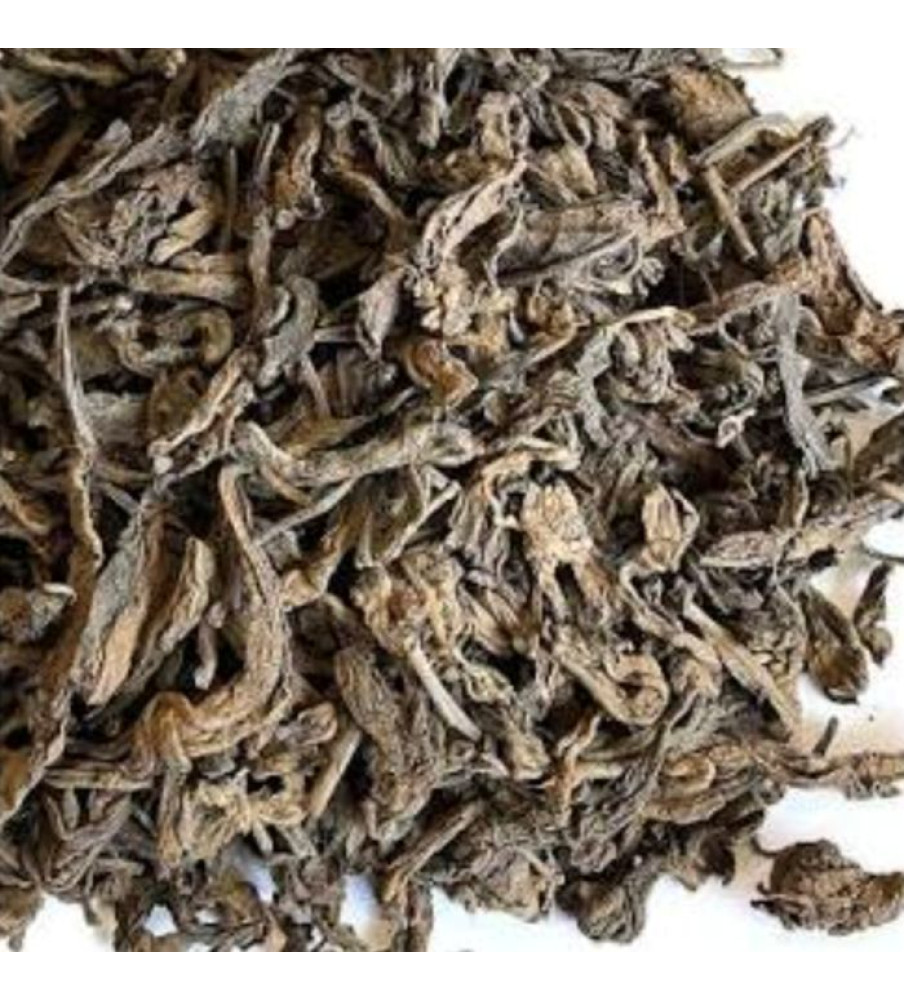
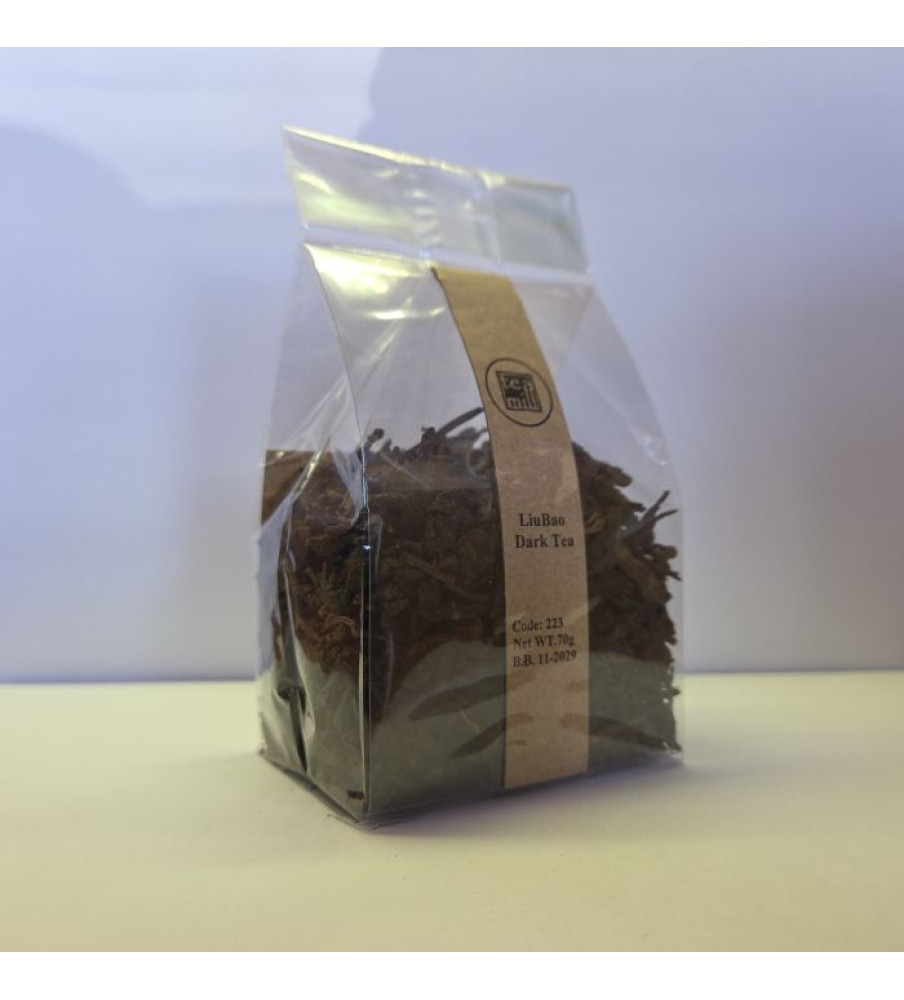
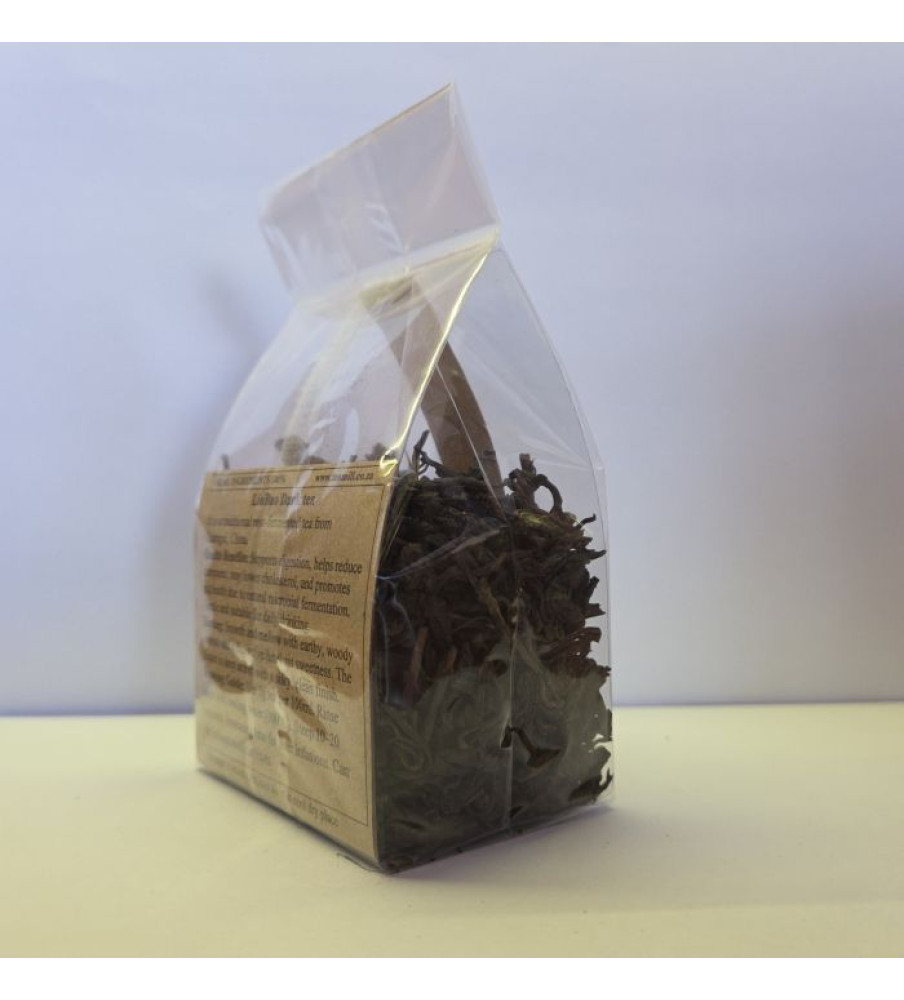
It is
a traditional post-fermented tea from Guangxi, China, known for its earthy,
woody character.
Health
Benefits: Supports digestion, helps reduce dampness, may lower cholesterol,
and promotes gut health due to natural microbial fermentation. Gentle and
suitable for daily drinking.
Tasting:
Smooth and mellow with earthy, woody aromas and a distinctive betel nut
sweetness. The liquor is deep amber with a silky, clean finish.
Brewing Guide: Use 5g tea per 100ml. Rinse once with boiling water (100°C). Steep 10–20 seconds, increasing time for later infusions. Can be infused multiple times.
Unlike black tea (which is oxidized), dark tea undergoes a microbial fermentation process.
- Fixing
& Rolling: The leaves are heated to stop oxidation and rolled to
break cell walls.
- Piling
(Wo Dui): This is the critical step. The damp leaves are piled
together, allowing heat and moisture to trigger fermentation via natural
bacteria and fungi.
- Steaming
& Pressing: The tea is often steamed and packed into large bamboo
baskets (some weighing up to 50kg!).
- Aging: The baskets are stored in cool, humid caves or specialized warehouses for years.
- Sometimes, high-quality Liu Bao develops tiny yellow specks called Eurotium cristatum, or "Golden Flowers." While it looks like mold to the untrained eye, it is actually a beneficial fungus highly prized by collectors for its probiotic properties and the unique flowery sweetness it adds to the tea.